National Coordinating Center
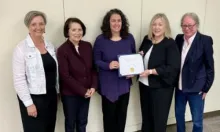
[Project: Think College National Coordinating Center] Western Carolina University (WCU) University Participant (UP) Program has been fully accredited for a period of seven years.
Trying new things and meeting new people are some of the most important parts of college. Ways to engage on campus are as broad and varied as students’ interests and communities. When students engage outside the classroom, they discover something new about themselves whether it is by joining clubs, interning or working, attending special events, or even just hanging out in the cafeteria.
Engagement outside the classroom helps students:
Project
National Coordinating Center
[Project: Think College National Coordinating Center] The Annual TPSID report provides a comprehensive overview of student and program data from the 35 programs around the country.
This document gives an overview of the work of the Think College National Coordinating Center (NCC) to expand college opportunities for individuals with intellectual disability (ID) through: coordination and evaluation of Transition and Postsecondary Programs for Students with Intellectual Disability (TPSID) programs; technical assistance; and resource development and dissemination. Outcomes of NCC work from 2010 - 2023 are also included.
Project
National Coordinating Center
Think College REPORTS present descriptive data in narrative and tabular form to provide timely information to researchers, practitioners, and policymakers for review and use. This report provides program- and student-level data reported by TPSIDs (Transition and Postsecondary Programs for Students with Intellectual Disabilities) during the 2021-2022 academic year. Program data reflect program characteristics, academic access, supports for students, and integration of the program within the institute of higher education during the second year of FY 2020-2025 funding.
Project
National Coordinating Center
This Highlights document was created with data from the Annual Report of the Cohort 3 TPSID Model Demonstration Projects (Year 2, 2021-2022) for those who are interested in the most critical statistics from the report, or are sharing with a broad audience. It features bold graphics and brief summaries of program and student data, including exit and post-exit outcomes.
Project
National Coordinating Center
This example of program-level Student Learning Outcomes and evaluation/assessment plan for the certificate program is provided by the University of Alabama, CrossingPoints Certificate of Occupational Studies program.
Project
National Coordinating Center
Access to paid employment while in college for students with ID is critical to preparing students to enter careers upon graduation. Inclusive college program staff play a vital role in students obtaining paid jobs during college. While assisting students to get a job is one of the first steps to a successful employment experience, it is not the last. Support doesn’t stop once the student gets a job. The next step is to effectively support students on the job site. This includes supporting employers, which may require staff to learn new skills.
Project
National Coordinating Center
While supporting students in getting a job is important, support doesn’t stop once the student gets a job. Once students are hired, it is necessary to provide on-the-job support through job coaches or staff that provide on the job support. In addition to supporting students, a key component of job coaching is supporting employers. This resource explains the various roles of job coaches and tips on how to build collaborative partnerships with employers.
Project
National Coordinating Center