"Think Higher.Think College." Public Awareness Campaign

People with intellectual disability want to and can go to college! 

The “Think Higher. Think College.” public awareness campaign was designed to increase knowledge of inclusive college options and share information about the positive outcomes for students with intellectual disability attending college. Extensive resources have been developed to reach a broad audience so everyone can “Think Higher. Think College.”  

The “Think Higher. Think College.” public awareness campaign was developed by Think College’s Inclusive Higher Education Network. 
 

News About the Campaign

K-12 Educators can, and should, Think College! In this video, hear from a variety of high school educators, transition specialists, paraprofessionals, school administrators, and more on how they successfully prioritize college for their graduating high school students with intellectual disability. ...Read more
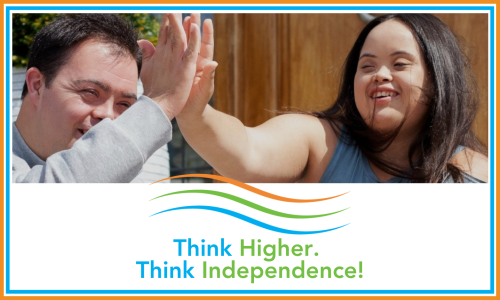
College is about more than learning academics, it's about learning to live in the community independently. Read on to find resources to help make it happen. ...Read more
Summer is a great time to think about and prepare for college. Our website, as well as ThinkHigherEd.net, offers lots of info to help you get a jump start on getting ready for college. ...Read more

Meet our Key Collaborator: Filmmaker Dan Habib

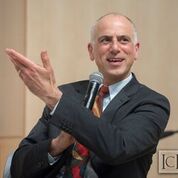
Dan Habib

Dan Habib (he/him) produced and co-directed The Ride Ahead and the Emmy Award winning My Disability Roadmap, a 2022 New York TImes Op-Doc featured at Hot Docs, Doc NYC, and Hot Springs. He is the Director / Producer / Cinematographer of the nationally broadcast (public television) documentary films Intelligent Lives, Who Cares About Kelsey?, Mr. Connolly Has ALS, and Including Samuel. He served on the President’s Committee for People with Intellectual Disabilities under President Obama. He is currently the Inclusive Communities Project Director at the Westchester Institute for Human Development.

Dan has been an integral part of the "Think Higher. Think College." (THTC) initiative, sharing his professional and personal expertise in disability advocacy and inclusion and documentary filmmaking to shape the campaign from its inception. He directed and produced the THTC campaign video, which has reached thousands of viewers and continues to inspire a broader understanding of inclusive postsecondary education.

FAQs

Why does the "Think Higher. Think College." campaign exist?

Students with intellectual disabilities can and want to go to college. There are over 420,000 school-aged students with intellectual disability but only 2% of them are likely to attend college. By sharing the resources we have created, we hope to increase that number!

How can I use the campaign materials?

There are many ways to use the "Think Higher. Think College." campaign materials: - Audience-specific handouts can be shared at IEP meetings and transition or college fairs to educate team members about the value of higher education for students with intellectual disability. - Postcards can be left at school guidance offices. - There is a PowerPoint slide and an email signature that can be used in your everyday communications. - And of course, the campaign video is meant to be shared whenever there is a gathering of educators! All of these materials can be found on the Share page on the campaign website.

Who should I share public awareness campaign materials with?

The public awareness resources are designed to be shared by anyone with anyone! Two core resources that really capture the message to "Think Higher. Think College." are the campaign video and the Resource Guide. Additionally, there are resources designed for specific audiences, namely educators and transition specialists, families and students, higher education administrators, and vocational rehabilitation professionals. Anyone who is a part of transition planning for students with intellectual disability can benefit from these materials!

Can students with intellectual disability really go to college?

Yes, they can! Students around the country are taking college courses, joining clubs, rushing fraternities and sororities, competing in collegiate sports, and more. There are more than 350 postsecondary options for students with intellectual disability around the country. Visit the College Search to see the full list of schools and use filters to customize your search.