This presentation, based on 2019-2020 TPSID Data, highlights the importance of vocational rehabilitation in inclusive postsecondary education. Meg Grigal and Clare Papay originally shared this at a Vocational Rehabilitation Affinity Group meeting in May 2021.
Resource Library
Welcome to the Think College Resource Library
The library includes carefully selected resources on a wide range of topics related to postsecondary education for people with intellectual disability.
Use the filters on the left to narrow your search by topic, and click on Advanced Filters to refine by project, audience, media type, or publication type. If you are having trouble finding the resources you need, please contact us at thinkcollegeTA@umb.edu
Self-Advocacy Online is a website with hundreds of videos from self-advocates talking about advocacy, self-determination, inclusion, work, and so much more. Self-Advocacy Online is a project of the Research and Training Center on Community Living at The University of Minnesota.
The future is bright! The Think College National Coordinating Center was refunded through 2025, and is looking forward to continuing its work first begun in 2010. In this webinar, you can meet the team and learn how the work of the National Coordinating Center supports higher education professionals, K-12 educators, families and students who are interested in higher education for students with intellectual disability.
Key staff of Center shared their activities and plans for the next five years, including:
Passed and signed into law, May 2021
The legislation establishes that any student in an approved comprehensive transition program (CTP) whose parent is a veteran with a disability (or deceased) will receive equal educational benefits to students with similar parentage who are enrolled in traditional 4-year college and university degree programs.
This webinar focuses on how faculty support students with intellectual disability enrolled in their college courses. Two professors share their experiences in supporting students with intellectual disability enrolled in college success and leadership classes, and the importance of having a support system in place to aid students in- and outside the classroom. Adjusted assignments and assessments will be discussed that support students’ development.
Think College interviewed Radek Dvorak for our October 2021 monthly newsletter. Radek is from Bismarck, North Dakota and attends Minot State University.

Cate Weir, Project Coordinator for the Think College National Coordinating Center, was interviewed by Mickie Hayes, Director (Retired) of the Florida Consortium on Postsecondary Education and Intellectual Disabilities. Mickie is host of a podcast called College, Disabilities, and Success. In this episode (#40), Cate shares how college can be a meaningful, productive, effective opportunity for your child with an intellectual disability to gain skills that can lead to effective competitive employment.
This Insight Brief describes how the COVID-19 pandemic impacted college students with intellectual disability (ID) enrolled in the colleges and universities offering TPSID programs. During the COVID-19 pandemic, most colleges and universities transitioned to some form of remote instruction. Many students with ID moved off campus, accessed their learning experiences and associated accommodations in new ways, and dealt with changes in their internship and employment experiences (Madaus et al., 2021; Papay & Myers, 2020; Sheppard-Jones et al., 2021).
On September 23, 2021, the Think College Emerging Advocates Group gathered for a meeting with special guest Judy Heumann. Judy is an international disability rights advocate. The group is made up of students with disabilities and others who think advocacy is important. One of the students asked Judy to come speak to them. We had a great meeting and want to thank all of the students who shared their thoughts and asked questions.
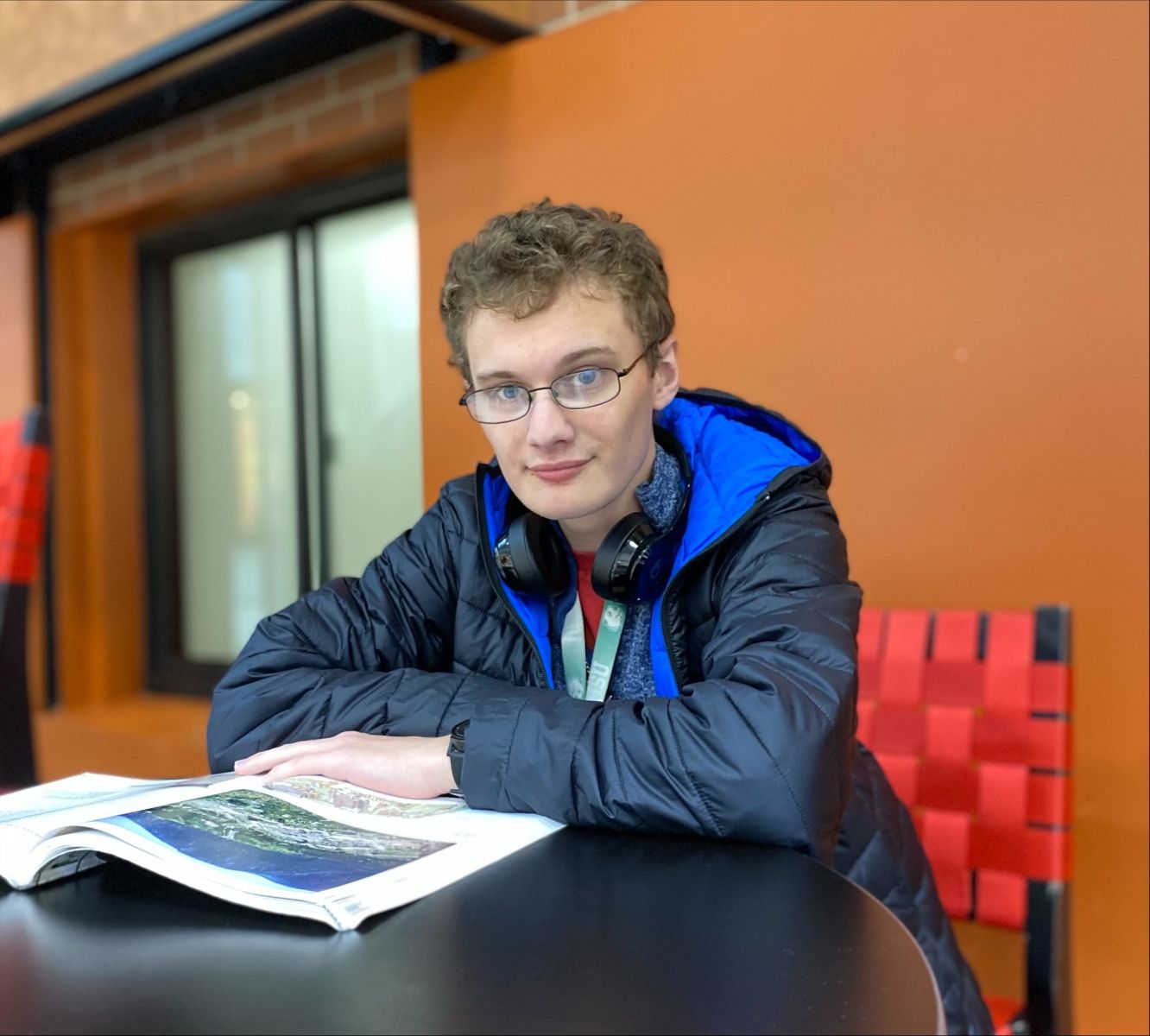
Think College interviewed Ezra Czechowski for our September 2021 monthly newsletter when he was a second-year student at Washington State University.