
This paper critiques the emergence of micro-credentials in higher education. It argues that micro-credentials build on the discourse of employability skills and 21st century skills within human capital theory, and that they increase the potential of human capital theory to ‘discipline’ the HE curriculum to align it more closely with putative labour market requirements.
Resource Library
Welcome to the Think College Resource Library
The library includes carefully selected resources on a wide range of topics related to postsecondary education for people with intellectual disability.
Use the filters on the left to narrow your search by topic, and click on Advanced Filters to refine by project, audience, media type, or publication type. If you are having trouble finding the resources you need, please contact us at thinkcollegeTA@umb.edu
Displaying 301 - 310 of 1008
This paper covers the basics of supported decision-making, including the definition, benefits, and what educators can do to encourage supported decision-making.
Project
National Coordinating Center
This bill died in Senate Committee at adjournment in October, 2021.

This bill was introduced in 2021, but did not pass. This legislation would create the Building Better Futures Program, which funds existing or emerging CTPs in Texas. The program will be overseen by the Texas Higher Education Coordinating Board (THBC). In order to apply for Building Better Futures funding, programs must either: Have been granted CTP status by the U.S. Department of Education or be awaiting approval of CTP status. If a program awaiting CTP status is given funds, they must be declared a CTP within 3 years in order to retain Building Better Futures funds.
How can educators and families better support students with disabilities to begin their college journey ready for success? This presentation by Meg Grigal and Clare Papay at the CEC 2021 conference describes how to support high school students with disabilities to cultivate foundational skills; access needed academic supports; and develop 21st century skills using technology for communication, navigation, and social connections.
Project
National Coordinating Center

Sorretie Jaro is a self-advocate from Washington and is a 2018-2019 SARTAC Fellow. Sorretie created resources for people with intellectual and developmental disabilities on how to educate legislators. Sorretie worked in partnership with the Washington Office of Developmental Disabilities Ombuds and the Self-Advocacy Resource and Technical Assistance Center to develop these Self-Advocacy Leadership and Policy resources.
Project
National Coordinating Center

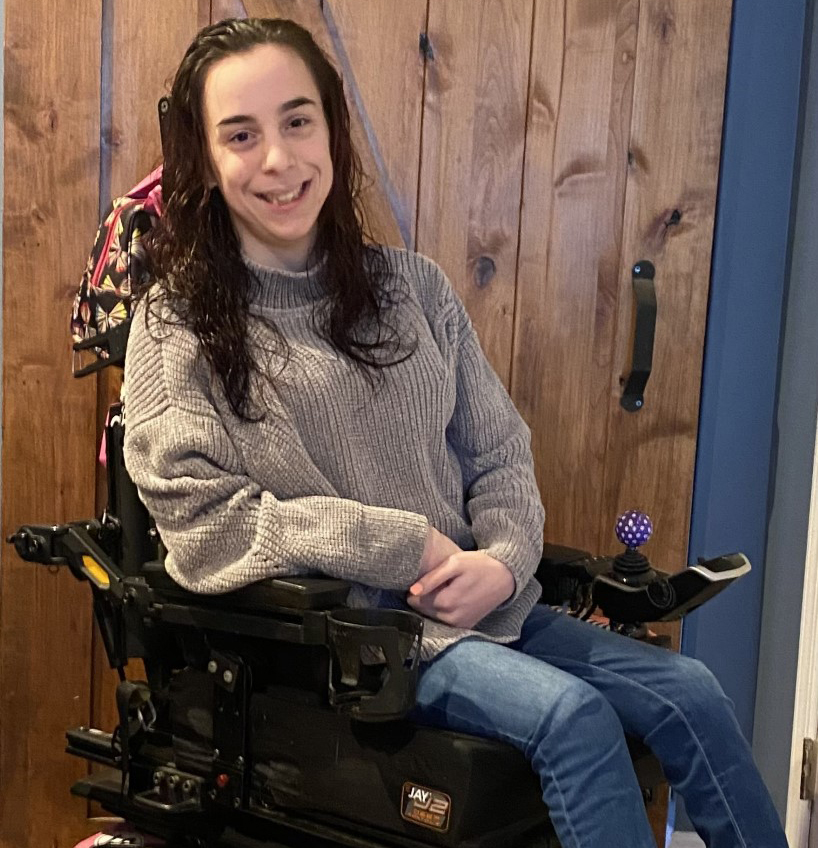
Think College interviewed Rachel for the February NCC newsletter. Rachel is located in Saddle Brook, New Jersey attends Bergen Community College in Paramus New Jersey. At the time of the interview, she was in her second year of the Turning Point Program.
Project
National Coordinating Center
This presentation shares tips and strategies for developing a college-based transition program for students with ID. Staff at the Trailblazer Program at the University of Nebraska Medical Center/Munroe-Meyer Institute share the process they used as well as lessons learned with their partnering school districts. The UNMC/MMI Memorandum of Agreement is also included.
Project
National Coordinating Center
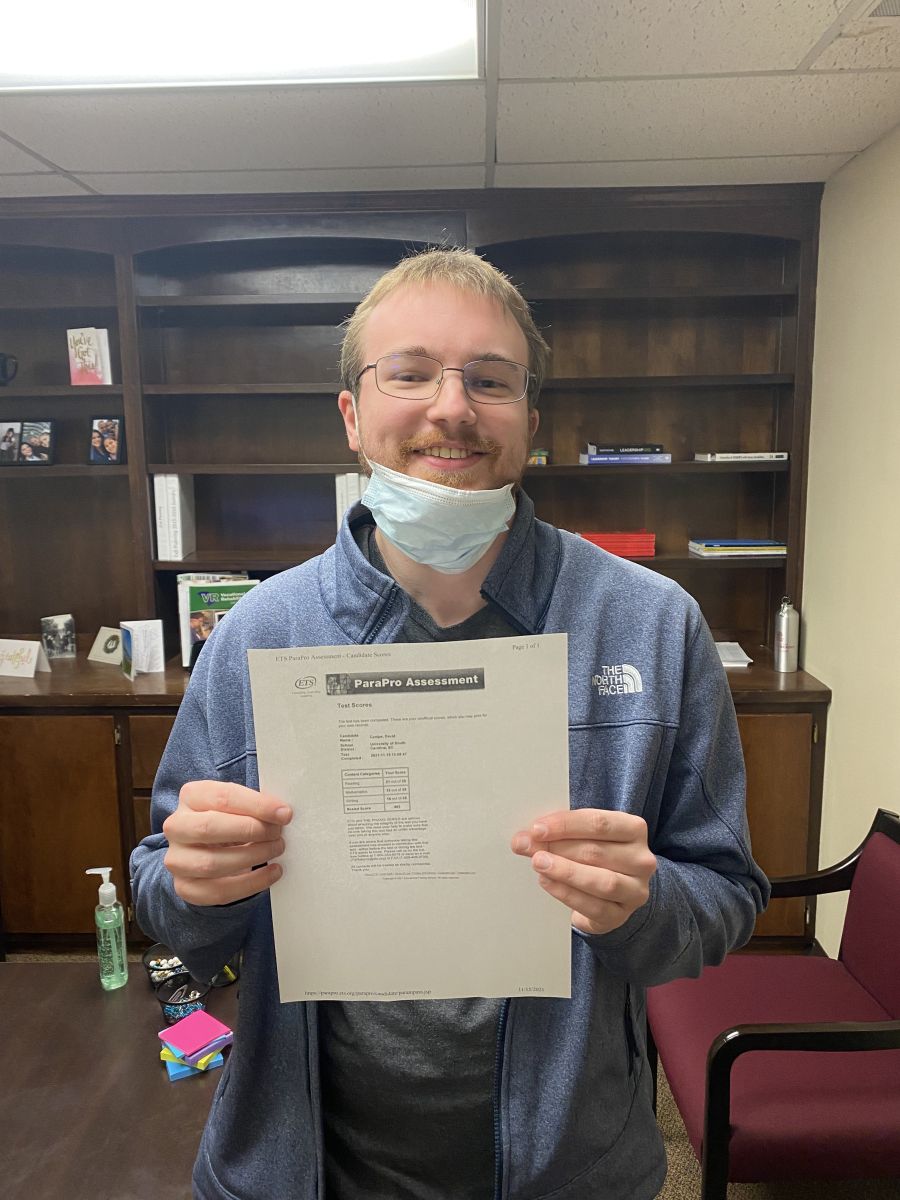
Think College interviewed David Canipe for our January 2022 newsletter. David is a student at the University of South Carolina.
Project
National Coordinating Center
During a Student Credentials Affinity Group meeting, Dr. Kate Strater, Calvin University, shared her journey through the university credential approval process. Kate’s work included not only starting a new inclusive postsecondary education (IPSE) program for 20 students at Calvin, but the realignment of established processes to CTP guidelines. While every IPSE program is unique, Dr. Strater outlined the governance process in establishing a new credential.
Project
National Coordinating Center