

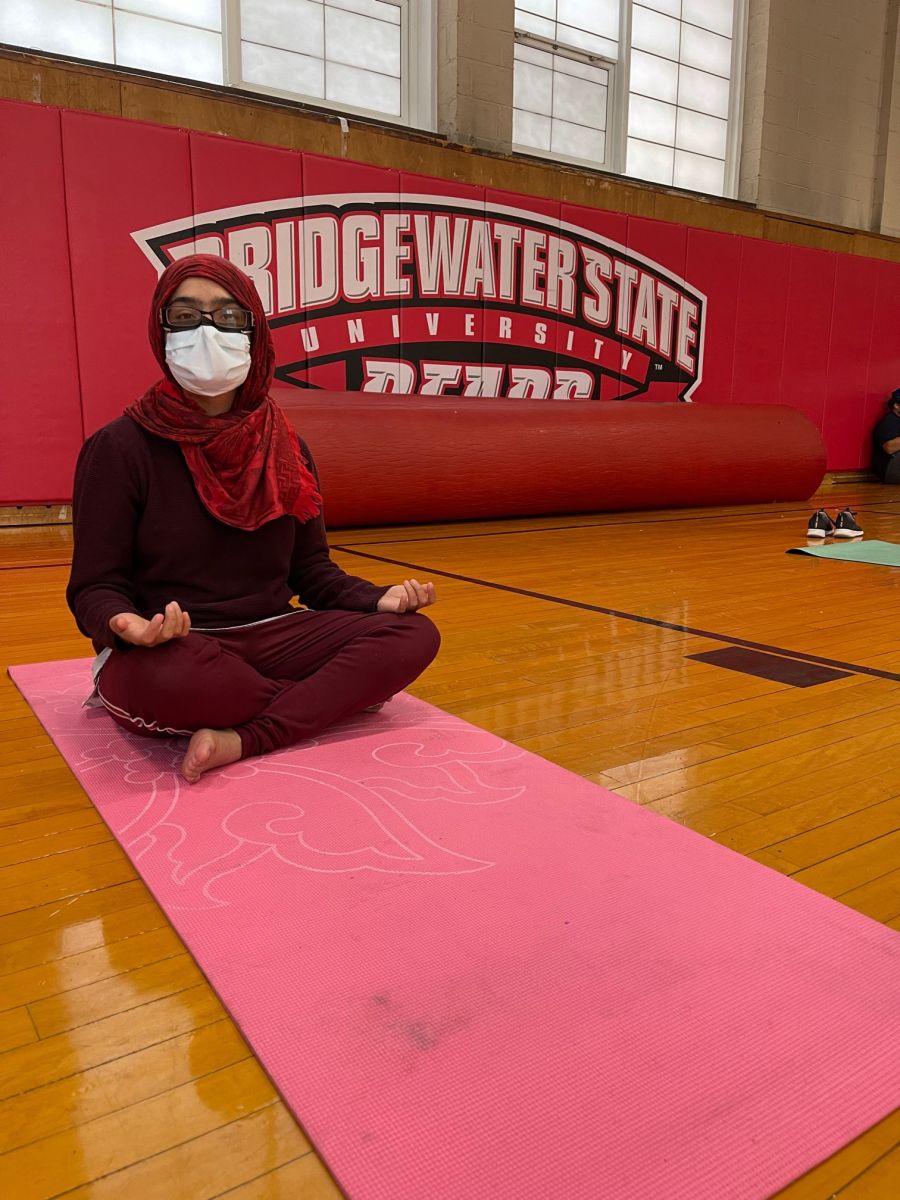
Think College interviewed Tuba Kausar for our December 2021 newsletter. Tuba is is a student at Bridgewater State University.
Click here to read the interview.
Project
National Coordinating Center

The library includes carefully selected resources on a wide range of topics related to postsecondary education for people with intellectual disability.
Use the filters on the left to narrow your search by topic, and click on Advanced Filters to refine by project, audience, media type, or publication type. If you are having trouble finding the resources you need, please contact us at thinkcollegeTA@umb.edu
Think College interviewed Tuba Kausar for our December 2021 newsletter. Tuba is is a student at Bridgewater State University.
Click here to read the interview.
The College Matters Florida Promising Practices series is a collection of stories that showcase innovation in promoting postsecondary education for students with intellectual and/or developmental disabilities in Florida.
#1 Implementing an Inclusive Transition Club that Promotes Postsecondary Education for Youth with Intellectual and/or Developmental Disabilities: Lessons Learned from Wakulla High School
#2 Using a Closed Facebook Group to Engage Families in Discussions about Postsecondary Education: Lessons Learned from the Parent Support Network
There are certain skills that students can learn and practice in high school so they are better prepared for the demands of college. In this Grab and Go Practices, we focus on three primary campus experiences college students need to be prepare for and skillsets that are good to have to manage them. Student may engage in these activities with little or no support from adults: campus participation, academic preparation, and personal responsibility.
What does it mean to be independent? Just ask Colby! This video is about a college student named Colby. Colby, his mother, and others involved in his life talk about the importance of self-determination, supported decision making, and guardianship.
Due to changes in legislation and policy in the United States, higher education has become more available to people with intellectual disability (ID). Currently, over 6000 students with ID are enrolled in 310 colleges and universities. In the past decade, the federal government has invested over 100 million dollars in a model demonstration program aimed at institutions of higher education to create, expand, or enhance high-quality, inclusive higher education experiences to support positive outcomes for individuals with ID.
Want to ensure the materials you create are accessible to all your learners? The POUR principles are a great place to start. These principles define four qualities of an accessible experience and they are at the foundation of the Web Content Accessibility Guidelines (WCAG) an international standard for making web content accessible. This helpful framework was designed by the CAST National Center on Accessible Educational Materials, so educators can confidently teach and reach all learners.
Developed by the Center on Transition Innovations at Virginia Commonwealth University, this guide can be used as a reference to support the development of postsecondary goals in employment and education/training.
One of the primary goals for students attending IPSE programs is authentic, competitive employment experiences, and research shows that students with some IPSE experience have better outcomes in securing employment. What has come into focus recently, is that just getting a job is not enough. It is becoming more important that students have access to industry recognized credentials through their IPSE programs so that they can get better jobs, with better pay.
A collaborative model of professional development, using principles of collective inquiry, coaching, reflection and co-writing, has resulted in an online training sequence for three key groups who offer and support college-based transition services. These include college program coordinators, special education administrators and transition staff, and coaches and mentors. Presenters shared strategies and co-authored practitioner materials This session was presented by Think College staffers Maria Paiewonsky & Ty Hanson.

