
Webinar Recap: Accreditation Insight: Strategies from Accredited Programs
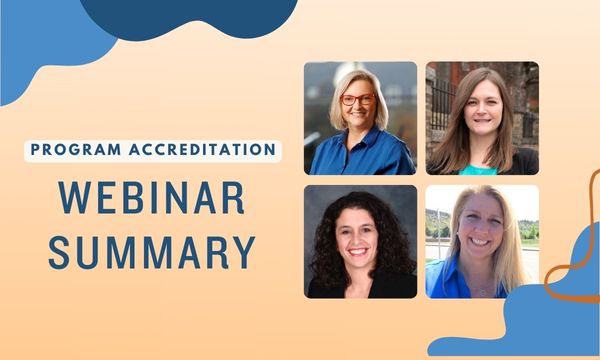
Accreditation is a significant milestone for inclusive higher education programs, demonstrating quality, sustainability, and institutional commitment. However, the process can be complex and time-consuming. To help programs navigate this journey, Think College hosted a webinar on February 26, 2025, featuring program leaders Kelly Kelley (Western Carolina University), Christi Kasa (University of Colorado, Colorado Springs), and Jaclyn Camden (Virginia Commonwealth University). They shared their firsthand experiences, lessons learned, and practical advice for achieving accreditation. Click here to view the webinar recording and resources.
Here are the top 10 recommendations from these accreditation pioneers, along with key insights and direct quotes from the panelists.
Recommendations from Program Staff on Becoming Accredited
1. Start Early and Get Organized
The panelists emphasized beginning the self-study and accreditation process well in advance. Using tools like Think College’s evidence checklist and self-assessment spreadsheet can help programs evaluate their readiness.
“If you're thinking about it, if you're considering it, start now, even before you have a firm decision.” – Jaclyn Camden
2. Engage Institutional Leadership and Stakeholders
Securing administrative support and understanding your institution’s internal accreditation requirements are crucial steps before beginning the process.
“We definitely reached out to our dean… to talk to her about accreditation and what processes we needed to go through.” – Jaclyn Camden
3. Ensure Staff Readiness and Buy-in
Staff involvement is essential. Programs should provide training, assign responsibilities, and ensure all team members understand accreditation expectations.
4. Save Everything – Documentation is Key
Keeping thorough records of policies, student outcomes, and program data will help streamline the self-study process.
“Start to save everything. Save every slideshow, every email, every handbook version, every piece of raw data… You will end up needing them for your evidence.” – Christi Kasa
5. Develop Formal Policies and Procedures
Accreditation requires programs to have clear, written policies in areas such as academic participation, independent living, and student supports.
“We needed to write more formal policies. We had a lot of practices, but they weren’t written into a policy.” – Christi Kasa
6. Prepare for the Site Visit with Thoughtful Planning
Programs should secure space, schedule meetings, and ensure students, faculty, and partners are well-informed about the visit.
7. Provide Clear Information for Students and Families
Accreditation helps refine policies, expectations, and program details, improving accessibility and communication for students and families.
“We really revamped and redid our student handbook… and the manual now lives on our website.” – Jaclyn Camden
8. Use Accreditation to Strengthen Program Quality and Sustainability
Accreditation validates program quality and can support funding opportunities, long-term sustainability, and institutional recognition.
“I always am thinking, what can I do to really legitimize the work we do and to put some backing behind it that will help it stay in existence long after me?” – Christi Kasa
9. Be Prepared for the Time Commitment
The self-study, site visit, and accreditation process require significant time and effort. Planning ahead and delegating tasks can help manage the workload.
10. Embrace Accreditation as a Growth Opportunity
Accreditation is not about perfection but about continuous improvement. Programs should view it as an opportunity to reflect, enhance quality, and gain recognition.
“Tangibly, we had gone for our Program of Excellence several years in a row. We were awarded that right after accreditation. So, it does provide value at the university level and really builds awareness across the board—not just at your university, but everywhere.” – Kelly Kelley
Final Thoughts
While accreditation can be a rigorous and time-intensive process, it offers immense benefits, from strengthening program quality to increasing institutional recognition. By starting early, engaging stakeholders, and maintaining thorough documentation, programs can navigate accreditation more smoothly and use it as a tool for long-term sustainability. As the panelists highlighted, accreditation is not just about meeting requirements—it’s an opportunity to showcase excellence and commitment to inclusive higher education.