

These MOU were developed at the University of Alabama to outline roles and responsibilities when the student and the fraternity or sorority. The agreements outline roles and responsibilities for the Alabama Interfraternity Council & Office of Fraternity and Sorority Life, CrossingPoints staff and the CrossingPoints student that is participating.
Campus Life

During an Inclusive Campus Life Affinity Group meeting, a panel shared experiences and considerations for creating inclusive pathways for students with intellectual disability to join collegiate Greek Life organizations. Panelists included Chelsea Stinnett, Think College Training Development & Technical Assistance Coordinator who spoke about her previous experiences at the University of South Carolina; Rebecca Holloway, Director at Union EDGE; Vanderbilt University’s Director of Greek Life, Destiny Savage; and Next Steps at Vanderbilt peer mentor Greek Life Liaison, Emily Gothelf.

In this Insight Brief, the authors present a five component model of student-directed learning for use by college programs to teach and track student specific college and career academic, social, and independence, skills without segregated courses.
Project
National Coordinating Center
Think College Webinar: College & Career Learning: Inside and Outside the Classroom

This event has ended. Click here for related webinar resources.
College & Career Learning: Inside and Outside the Classroom: Promoting Growth for Students with Intellectual Disability
Residential Life Discussion: Inclusive Campus Life Affinity Group Meeting
This Affinity Group is designed for people who are currently involved with or interested in enabling students with ID to become full participating members of their campus communities. Affinity Group members include any college or university staff, faculty, mentors, students with ID, or researchers. The group is facilitated by Lindsay Krech, director of Campus Life and Student Supports at Vanderbilt University (Lindsay.b.krech@Vanderbilt.edu).
Planning and Documenting Campus Life Activities: Inclusive Campus Life Affinity Group
This Affinity Group is designed for people who are currently involved with or interested in enabling students with ID to become full participating members of their campus communities. Affinity Group members include any college or university staff, faculty, mentors, students with ID, or researchers. The group is facilitated by Lindsay Krech, director of Campus Life and Student Supports at Vanderbilt University (Lindsay.b.krech@Vanderbilt.edu).
College students in general have an immense amount of freedom to take emotional, physical, and intellectual risks. Presenters discussed the access to Dignity of Risk that students with intellectual disability should have when in college. The presenters advocated for increased dignity of risk, a model of dignity of risk in IPSE programming, and five principles that might guide programs as they consider and assess risk.
Project
National Coordinating Center
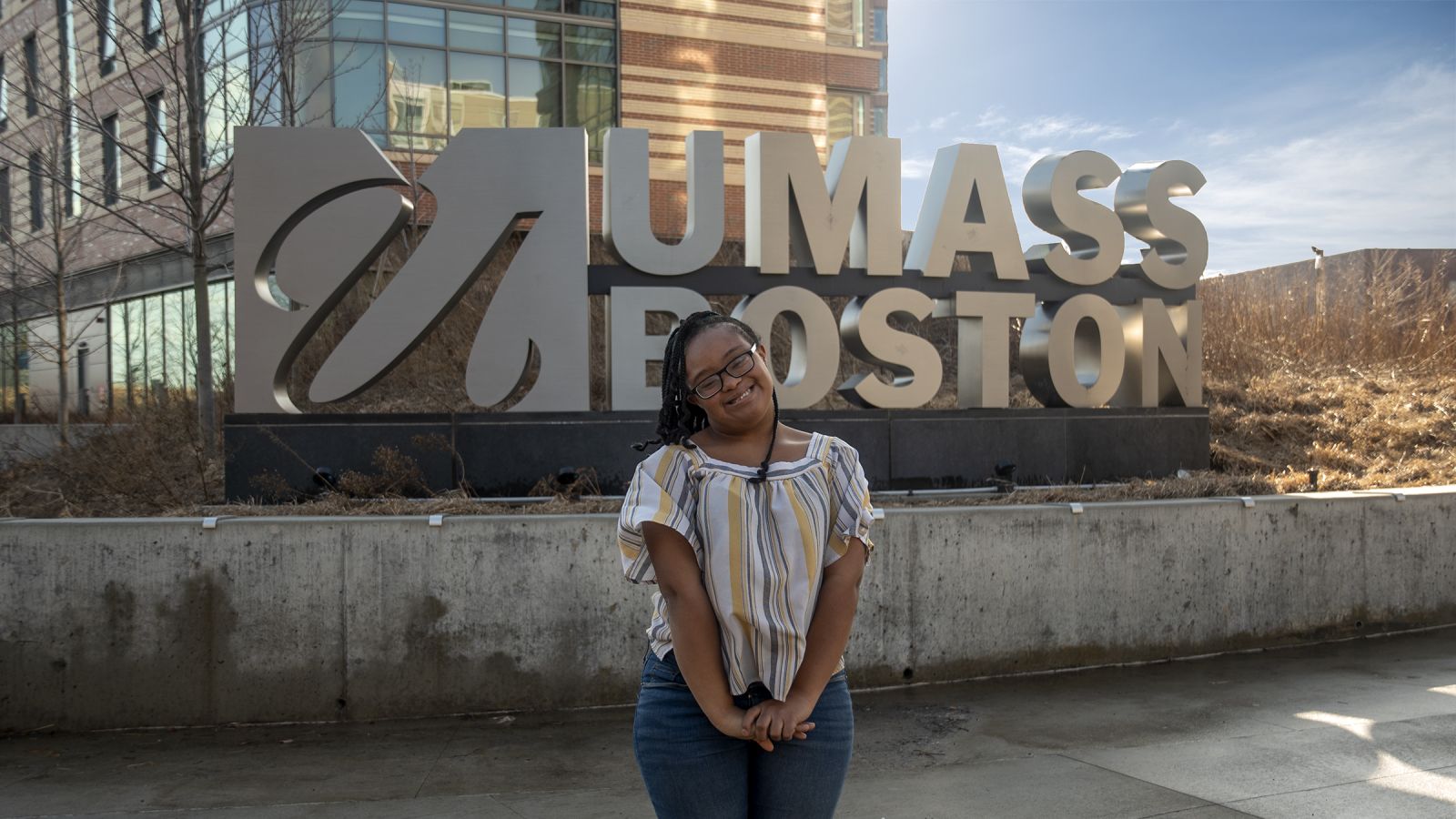
Think College interviewed Nykenge (Nikki) Blue for our April 2022 newsletter. Nikki is a student at the University of Massachusetts Boston.
Project
National Coordinating Center
This presentation shares an overview of My Maps and describes how it can be used to create and customize maps to help students ID physically navigate their campus and beyond.
Related Resources:
Project
National Coordinating Center
Think College interviewed Wright Villani for the March 2022 newsletter. Wright lives in Richmond, Virginia and goes to Virginia Commonwealth University ACE-IT in college.
Project
National Coordinating Center