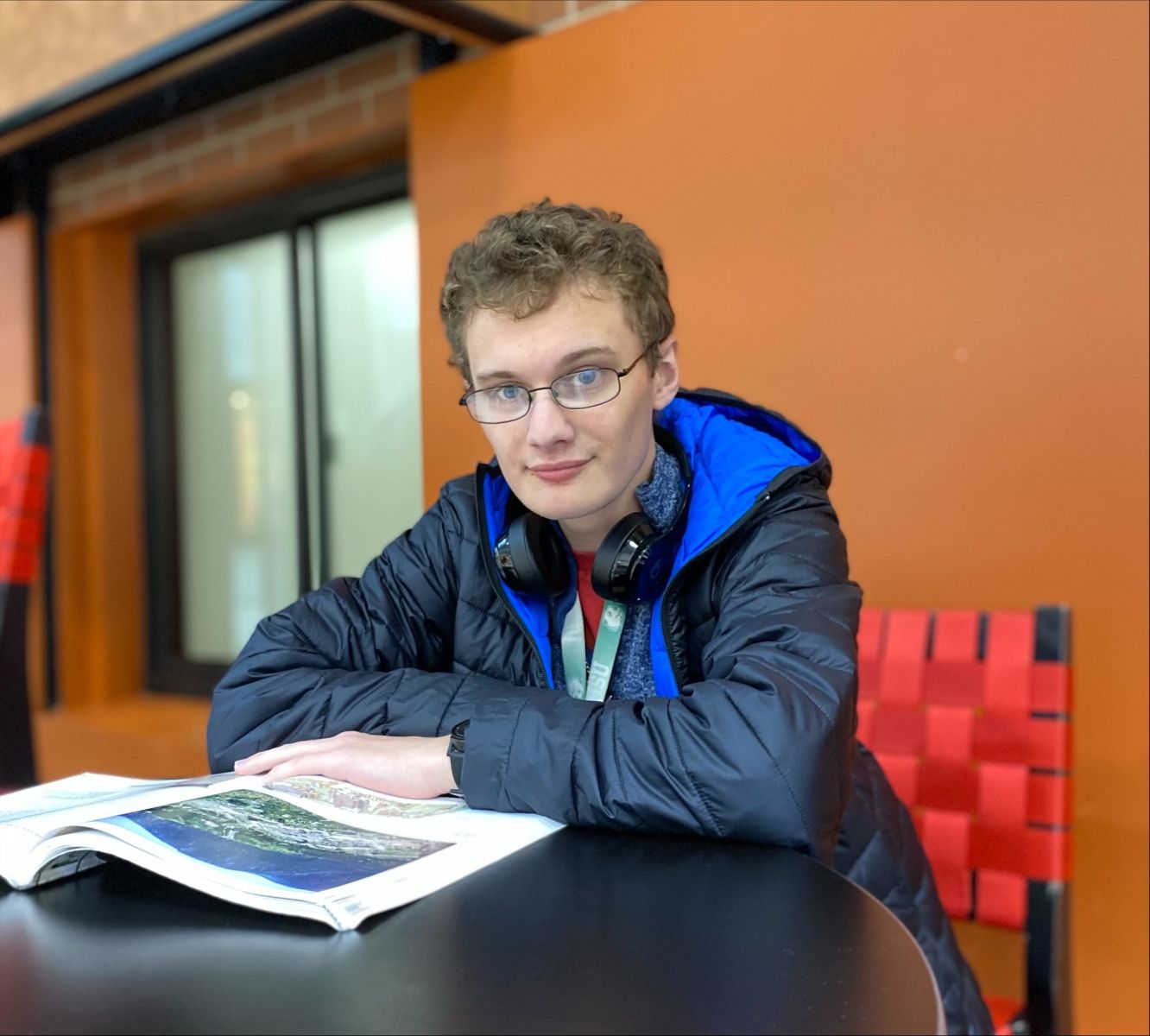
Think College interviewed Radek Dvorak for our October 2021 monthly newsletter. Radek is from Bismarck, North Dakota and attends Minot State University.
Project
National Coordinating Center

Think College interviewed Radek Dvorak for our October 2021 monthly newsletter. Radek is from Bismarck, North Dakota and attends Minot State University.
Achieving sexual agency for adults with disabilities begins with developing sexual knowledge. Many young adults with disabilities are often denied sexuality
Similar to their typical peers, students with intellectual disability enrolled in postsecondary education programs endure levels of stress that result in the application of coping strategies necessary to navigate various social domains of college life, including romantic relationships, friendships, roommate relationships, and social media interactions. This study utilizes survey and interview data to examine which coping strategies are used by college students with intellectual disability.
Think College interviewed Ezra Czechowski for our September 2021 monthly newsletter when he was a second-year student at Washington State University.

People with developmental disabilities have the right to dignity of risk. Max Barrows from Green Mountain Self-Advocates describes the concept of dignity of risk in this Youtube video.
In this episode of Autism Stories, host Doug Blecher talks with Nicole LeBlanc about the way she is supported by the disability community, and advocating for their wants, needs and improving the quality of their lives.
Once Upon a Gene is a podcast hosted by Effie Parks. In her podcast, she speaks to others about her famiilie's journey through life with her son's rare disease.
This resource is called the Self-Advocacy Curriculum. This curriculum was made by National Autism Resource and Information Center. A curriculum has a lot of information that teaches you something. Teachers use curriculums when they are planning what they want to teach their students.
Telling your story is a great way to make a difference — and because it’s your story, there’s no one better to tell it! Our stories are powerful political tools, and we can use them to make real change. Hearing a real person talk about a policy problem gives policymakers a name and face to remember. This is a toolkit and it was made by the Autistic Self Advocacy Network (ASAN). It helps you brainstorm the most important parts of what you want to say, and make a plan to use your story to create policy change.
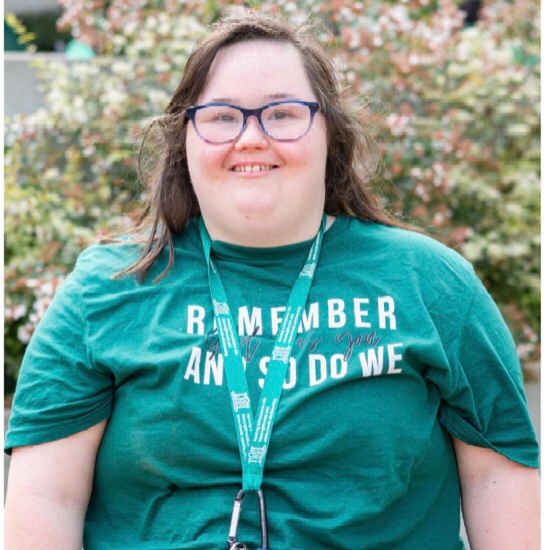
Think College interviewed Alaine for our February 2021 monthly newsletter when she was a junior at Northeastern State University in Tahlequah, OK.