
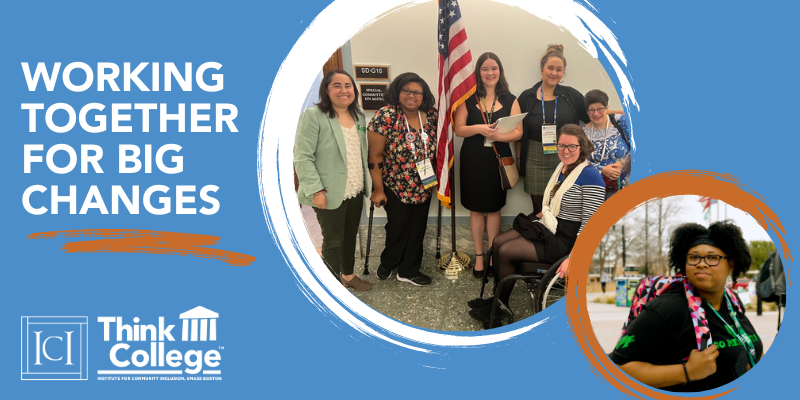
After participating in the "Think Higher. Think College." public awareness campaign video and Think College Policy Advocates, we wanted to hear a bit more from Lauryn Woolfolk and Dr. Brenda Barrio. Lauryn is a student at UNT Elevar in Texas and Dr. Barrio is the Director of UNT Elevar.
How Students and Communities are Advocating for Inclusive College Education
When it comes to higher education, making sure everyone has a chance to succeed is really important. This is especially true for students with intellectual disability (ID). Students, families, faculty, and staff in inclusive college programs are working hard to make higher education more inclusive through advocacy. In November 2023, we participated in the Think College Policy Advocates Program where we visited Capitol Hill in Washington, DC, and have continued advocating for supports and services for students with intellectual disability in college or thinking about college in the state of Texas. Based on our experiences, here’s what we recommend you can do to make a difference at both state and national levels.
Students Making Their Voices Heard
Students with ID are not just benefiting from these programs—they’re also actively involved in making things better across their communities, state, and across the country.
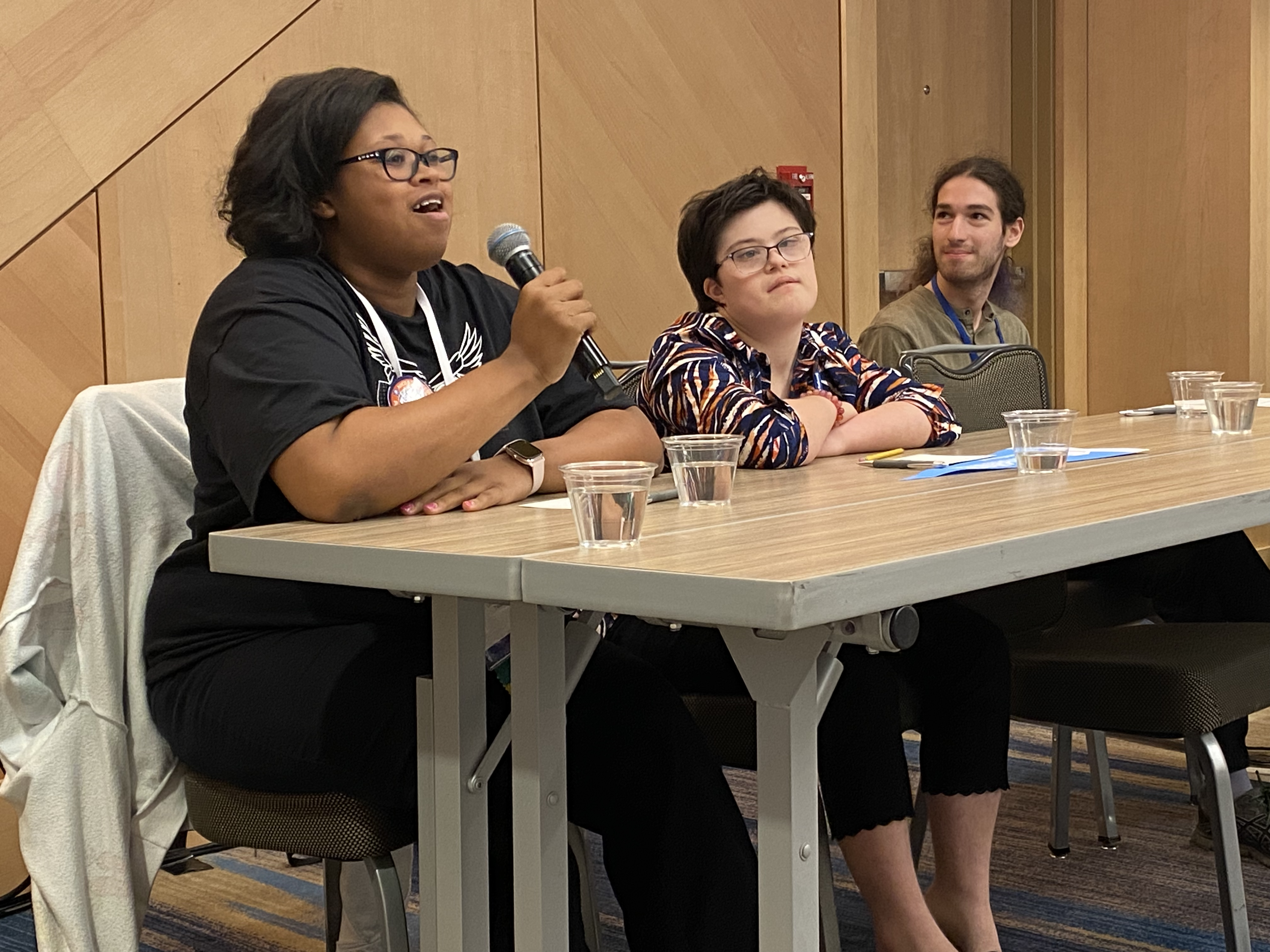 1. Sharing Their Stories: Students talk about their own experiences to show how important these programs are. Their personal stories help people understand the challenges they face and the successes they achieve. Lauryn has shared her experiences with staffers of senators and congress people in Washington, D.C.
2. Getting Involved: Many students learn how to advocate for themselves and others. They might meet with lawmakers, join campaigns, or speak at events to promote inclusive education. As a member of the Texas Advisory on Post-Secondary Education for Persons with Intellectual and Developmental Disability, Lauren shares her input and voice through quarterly meetings. This advisory council submits reports to the Texas Legislation.
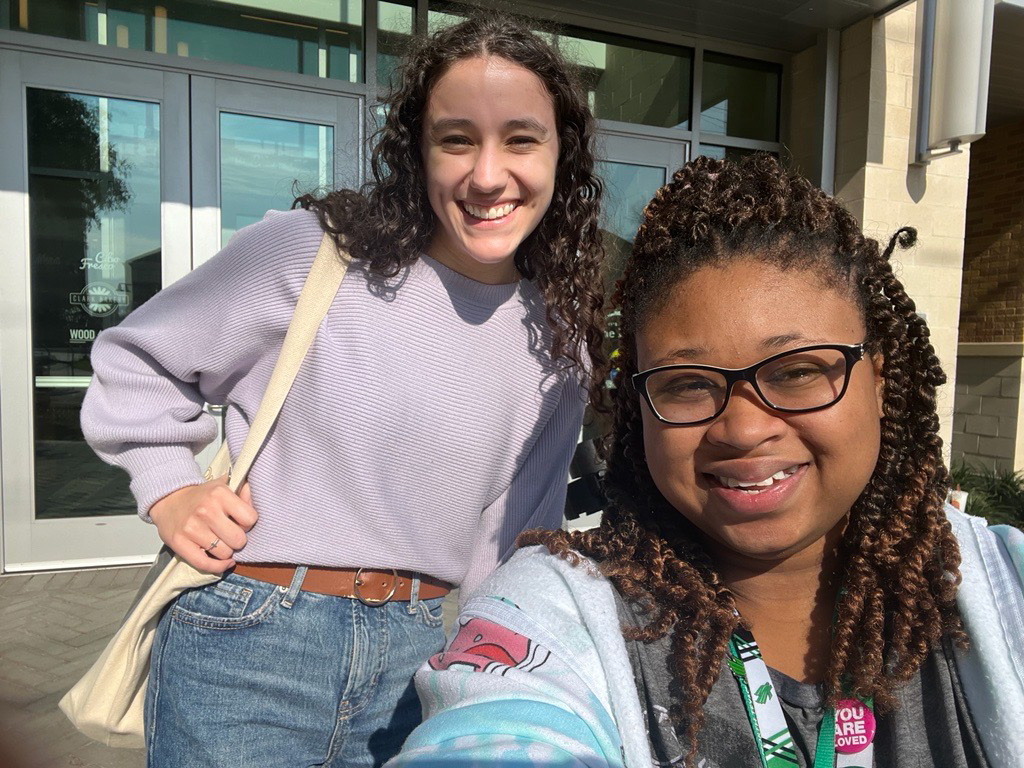 3. Creating Support Networks: Students also form groups to support each other and work together for change. These peer-led groups help raise awareness and rally more people to support inclusive education. Lauren is a key leader in the UNT ELEVAR program but also across the University of North Texas campus. Her voice and her advocacy continue to be shared through social media, peers in classes or socially, and across her community outside UNT.
Faculty and Staff Leading the Way
Professors and staff in inclusive college programs are not just helping students in their classes—they’re also fighting for changes that will benefit all students.
1. Sharing with Policymakers: Faculty and staff can share with lawmakers why inclusive education matters. They share stories and facts to show how these programs help students with ID. Their goal is to help policymakers see the value in supporting these programs based on data and positive outcomes shown from this data. Dr. Barrio has shared research, including data from Think College, with policymakers, staffers, and other leaders across Texas and in Washington, D.C. (You can find some helpful research-based resources on this page of the Think College website.)
2. Shaping Education Policies: Some faculty and staff members join groups that help create new education policies. They push for more funding and better services for students with intellectual disability, making sure these programs get the support they need. For example, Dr. Barrio serves as a council member of the State of Texas Advisory Council on Postsecondary Education for Persons with Intellectual and Developmental Disability representing the UNT ELEVAR program.
3. Building Partnerships: Faculty and staff can also team up with other universities, K-12 schools, advocacy groups, and community organizations. By working together, they can make their voices heard louder and push for changes that will help all students. With over 10 school district and other educational partners, the UNT ELEVAR program faculty and staff continue to build advocacy and resources to support students in K-12 to think about college and beyond!
Everyone Comes Together
When students, families, community members, and university staff work together, they can make a big impact:
1. Raising Awareness: Through events, social media, and public speaking, advocates help more people understand why inclusive education is important. What are your next steps to share about inclusive college for students with ID?
2. Changing Policies: Their efforts help shape laws and policies that provide better support for students with ID. This includes pushing for more funding and better resources. Share resources with your congress people before the next election! Use this link to find your members of Congress. (You might find these advocacy documents helpful as you connect with your members and representatives.)
3. Building a Supportive Community: Advocates work to create a college culture where everyone feels included and valued, helping to break down barriers and reduce stigma. Talk to your family and friends about what it means to you to be included!
Looking Forward
The journey to making higher education fully inclusive is ongoing, and the hard work of students, families, faculty, and community members is making a real difference. Their advocacy is helping to create a future where everyone has a fair chance to succeed in college. By continuing to work together, they’re not just imagining a better future—they’re making it happen.
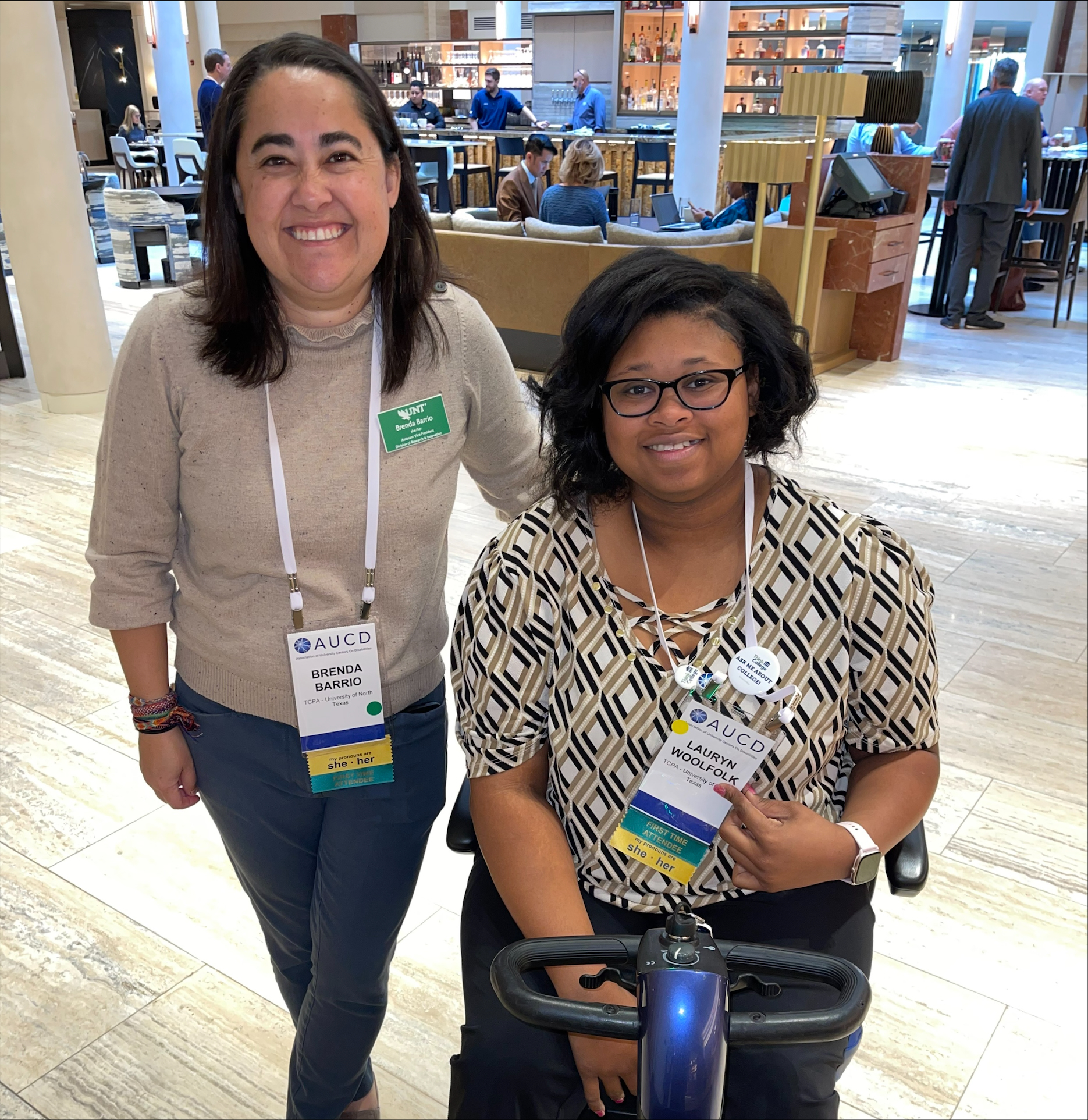 About the post authors: Lauryn Woolfolk is a third year student at UNT Elevar. Lauryn has been very busy in the last year, attending classes, .... On top of that, she appeared in the "Think Higher. Think College" campaign video and participated in Think College Policy Advocates.
Brenda Barrio is Assistant Vice President of Research and Innovation and Associate Professor - Department of Rehabilitation and Health Services, University of North Texas. She is also the Principal Investigator for UNT Elevar and founded ROAR at Washington State. When she’s not working for equity and access in higher education, she and her son enjoy playing games and eating ice cream.