
As I sit at my computer and look out the window, the Christmas decorations have been put away, snow is falling, and winter has arrived in Maryland. What does that mean? The state legislature is back in session! Across the country, state legislatures are coming together to do the important work of state government: passing legislation, hearing from constituents, holding town halls, and trying to make the state better for all of its citizens.
And people with disabilities—all ages, all types of disabilities, with all types of interests—are helping by hosting Disability Days at the Capitol, working on legislation, sharing their stories, and working to improve their lives and those of others. In recent years, state legislatures have been seeing more legislation that benefits postsecondary education programs for students with intellectual disability (ID), either directly with funding for program development or indirect support such as scholarships to students.
What can you do to get involved?
1. Find the local disability coalition in your state and get involved. Try your local Arc, Center for Independent Living (CIL), or other disability organization. They will know who the coalitions are and you can link up with them. They may not be talking about all of the issues that you are interested in, but you can educate them about postsecondary education for students with intellectual disability (see this new Think College publication on partnerships between college programs and CIL), and they can educate you on other issues of importance to people with disabilities. For instance, maybe they don’t realize that your state scholarship doesn’t apply to college students with intellectual disability (if it doesn’t) and you may not be closely following the legislation to rid your state of subminimum wage (if it hasn’t). Or they can help you find funding to expand college options for people with intellectual disability in your state, and you can help them expand supported decision making (instead of guardianship) for people with disabilities. (For that topic, you could share this Think College publication on alternatives to guardianship.) Connecting with others in the disability community, makes advocacy more fun and can be more successful to advocate together. We are stronger together.
2. Connect students with the self-advocacy groups in your state. The members of your state self-advocacy groups are great role models for students. Use this website to find a self-advocacy group near you. You can also contact your Center for Independent Living, or CIL.
3. Once you have found your people, look to your legislators. Do you know who they are? (You can search for them here.) Do they know who you are? Do they know what you care about? Particularly at the state level, they are likely members of your local community and in many states, they have jobs outside of the legislature when the session is over. That means either you know them (a local community leader), you know someone who knows them (you may send your kids to the same school), or you can get to know them pretty easily.
4. When you know who they are, tell them who you are and what is important to you. You live in their community. You vote. Tell them why college opportunities for people with intellectual disability are important to you and to your community. (You could share this handout with quick facts about postsecondary education programs.) Tell your story, by letter, email, Zoom or even better, in person. Visit them at the state capitol or in their local office. Get on their mailing list.
5. Share information with them. You can start with sharing the “Think Higher. Think College.” video. You are building a relationship. You want them to think of you when they have a question or a piece of legislation about disability. And if you don’t know the answer, someone in your coalition will. You don’t have to do it all alone.
Don’t wait too long! State legislatures are not year-round like the federal Congress. A few states only meet every other year, but most states meet every year for a short time starting in January. Georgia only meets for 45 days, for instance. That isn’t much time! So reach out. Get involved. And join others in your state who are advocating for people with disabilities. It can really make a difference!
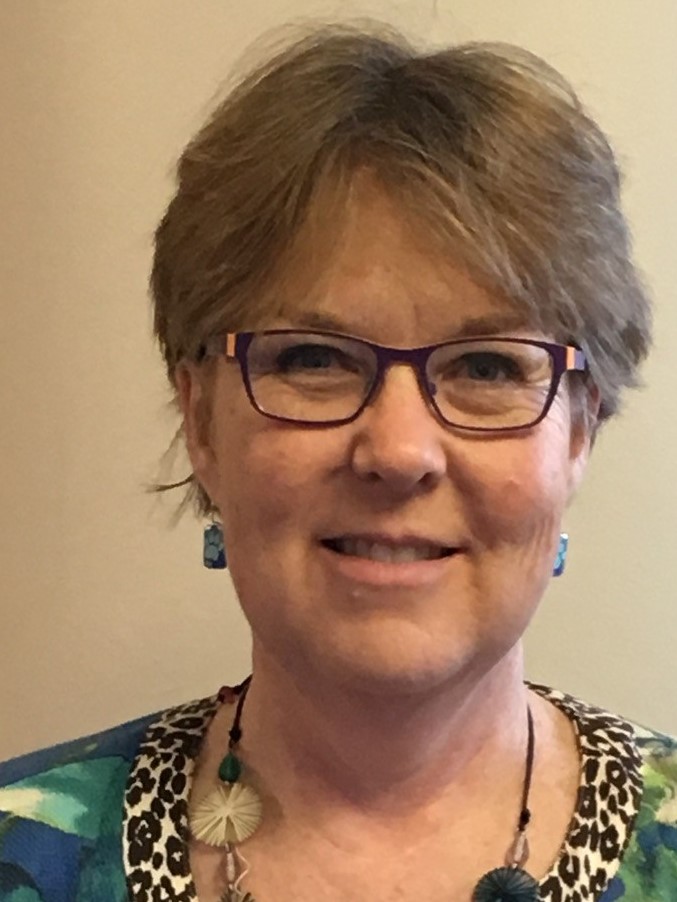 About the post author: Denise Rozell, Director of Policy Innovation, Education and Employment Team, at Association of University Centers on Disability (AUCD). Denise works primarily on issues affecting youth in post-secondary education, employment and independent living including as the co-Director for the PROMISE Technical Assistance Center (Promoting Readiness of Minors in Supplemental Security Income). As she says above, she is a self-described policy geek, and a valuable contributor to the work of Think College NCC.