Inclusive Higher Education Network

Accessing Higher Education: How Educators Can Help Students with Intellectual Disability to Think College

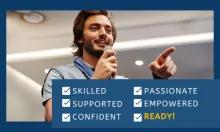
Join Think College and Urban Collaborative for a Free Zoom Panel Discussion about access to college for students with intellectual disability. This is an opportunity to hear from experts across the country about supporting successful transitions for students with intellectual disability from secondary education into higher education. Filmmaker Dan Habib of the Westchester Institute for Human Development will facilitate the panel, along with other expert panelists.
How Educators Can Help Students with Intellectual Disability to Think College

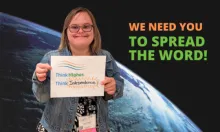
Students with intellectual disability want to go to college - and they can! But they can’t get there alone. They need educators who understand what skills are necessary to make it happen and will support them to achieve their goals. Think College created the “Think Higher. Think College.” public awareness campaign to inform and educate teachers, school administrators, support professionals, college staff and faculty, families, and students themselves that college is an option for students with intellectual disability.

This publication provides an explanation of the Strengthening Career and Technical Education for the 21st Century Act, or Perkins V, which is the reauthorization of the Carl D. Perkins Career and Technical Education Act (2006), and the benefits it provides to students with intellectual disabilities. There are many implications for students transitioning from secondary to postsecondary school who are pursuing career and technical education; those are detailed in this Fast Fact.

Project
Inclusive Higher Education Network

GLIPSEA Quarterly Meeting

The Great Lakes Inclusive Postsecondary Education Alliance (GLIPSEA) ia a new regional effort committed to increasing college access and outcomes for students with intellectual and developmental disabilities by meeting various stakeholder needs through best practices. GLIPSEA member states are Indiana, Michigan, Ohio, and Wisconsin. Join us today to support Inclusive Postsecondary Education in the Great Lakes Region.