National Coordinating Center
Reporting and sharing program graduate achievements is an important part of the continued success and improvement of inclusive postsecondary education (IPSE). The Think College National Coordinating Center (NCC) held an information-sharing session where staff from Transition and Postsecondary Programs for Students with Intellectual Disabilities (TPSID) shared ideas on how to stay in touch with these graduates and collect follow-up data.
Project
National Coordinating Center
Teams wanted for Think College Policy Advocate! Apply by May 17! Learn about government and how to talk with officials.
Teams from college programs for students with intellectual disability are now invited to apply for Think College Policy Advocates! Read on for more information.
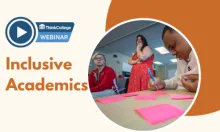
[Project: National Coordinating Center] Join our webinar to unlock inclusive teaching strategies for empowering faculty and supporting student success.
Calling all postsecondary education programs for students with intellectual disability - Registration is now open for the 2024 NDSC College Fair!
This resource will help you create an "elevator speech," or short and concise description that can be used to inform elected officials, business and community leaders and others who you want to educate on a particular topic of importance to you. This is a helpful strategy for all advocates to learn how to use effectively.
Project
National Coordinating Center
This collection of resources can assist individuals prepare for an effective meeting or other communication with local, state or federal legislators to help inform and educate about postsecondary education for students with intellectual disabilities.
Included are:
Project
National Coordinating Center
These plain language resources will assist with advocacy and education at the Federal level around key issues of importance to individuals with disabilities. There are three: Community Living, Employment and Education. Each provides an easy-to-understand statement of the problem, why it matters, and what Congress can do.
Project
National Coordinating Center
This resource helps those who are interested in informing state legislators about the importance of college opportunities for students with intellectual disability by providing 10 questions they may have so you can be prepared with the answers.
Project
National Coordinating Center
This resource shares plain language definitions for over 50 common policy terms, like caucus, constituents, debt ceiling, minimum wage and lots more.
Project
National Coordinating Center