Inclusive Postsecondary Education (IPSE) Regional Alliances

DC HI AK FL NH MI VT ME RI NY PA NJ DE MD VA WV OH IN IL CT WI NC MA TN AR MO GA SC KY AL LA MS IA MN OK TX NM KS NE SD ND WY MT CO ID UT AZ NV OR WA CA Regional Alliances NWIPSEA SEPSEA GLIPSEA MIPSA Upper Midwest RRHEA NEPSEA MIDA Four Corners Western States


The Think College Inclusive Higher Education Network supported the development of a national network of regional alliances to support efforts and interests related to inclusive higher education for students with intellectual disability.

Regional alliances promote access to quality inclusive postsecondary education for students with intellectual and developmental disabilities in their region through a shared focus on collaboration through program development, research, and public policy. A region consists of two or more neighboring states that may have similar demographic or political characteristics.
News & Features

Banner with NEPSEA logo of a tree and it reads Northeast Postsecondary Education Alliance webinar series

The Northeast Postsecondary Education Alliance (NEPSEA) is excited to announce its 2025–2026 Speaker Series, a free virtual series spotlighting leaders and innovators who are shaping inclusive post ...Read more

Susanna Miller-Raines, Think College staff and founding member of SEPSEA, shares a thoughtful post on the impact SEPSEA has had over the last 10 years.

...Read more

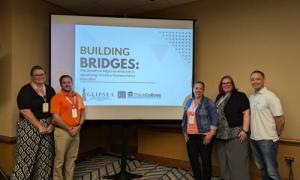
Susanna Miller-Raines and the GLIPSEA Leadership Team presented on the operationalizing collective impact and Leading by Convening in the creation of a regional alliance.

...Read more

Regional Alliances

There are currently nine regional alliances, and one more in development as of December, 2025.


Southeast Postsecondary Education Alliance (SEPSEA):
Alabama, Arkansas, Florida, Georgia, Kentucky, Louisiana, Mississippi, North Carolina, South Carolina, Tennessee

Midwest Post Secondary Inclusive Alliance logoMidwest Inclusive Post Secondary Alliance (MIPSA):
Iowa, Illinois, Kansas, Missouri, Nebraska

NWIPSEA logo

Northwest Inclusive Postsecondary Education Alliance (NWIPSEA):
Idaho, Montana, Oregon, Washington, Alaska, Hawaii

MIDA logo

Mid-Atlantic Alliance for Inclusive Higher Education (MIDA):
Delaware, Maryland, New Jersey, Pennsylvania, Virginia, West Virginia, District of Columbia


Four Corners Regional Alliance

Four Corners Regional Alliance (4Corners): Arizona, Colorado, New Mexico, Utah

Email: 4cornersregionalalliance@gmail.com

Northeast Inclusive Postsecondary Education Alliance (NEPSEA): Connecticut, Maine, Massachusetts, New Hampshire, New York, Vermont, Rhode Island

Email: northeastpsea@gmail.com

Upper Midwest Regional Alliance

Upper Midwest Regional Alliance (Upper Midwest): North Dakota, South Dakota, Minnesota, Wyoming. 

Email: HDCentral@umn.edu


REGIONAL ALLIANCES IN DEVELOPMENT  

Western State Regional Alliance: California & Nevada

The Think College Inclusive Higher Education network is working throughout the country to support regional alliances related to inclusive higher education for students with intellectual disability. To learn more, reach out to thinkcollegeihen@umb.edu


Supports for Regional Alliance Development

Strategic Planning

Our team is currently supporting nine new regional alliances throughout their strategic planning process- from establishing their mission and vision to identifying goals and actions plans for deliverables. Individualized support is offered to developing alliances and continues throughout each stage of development.  This is offered in monthly technical assistance meetings and during annual capacity building institutes.

Coaching

Regional alliance leaders receive one-on-one coaching from members of our team to ensure they have the tools and resources they need to lead their alliance. Monthly meetings with Think College Network staff includes meeting preparation, progress review, and a space to brainstorm new initiatives.

Funding

The Think College Inclusive Higher Education Network is funding the establishment of new regional alliances. Regional alliance planning teams have been established across the country and are working on implementation plans in collaboration with established regional alliances. 

Capacity Building Institutes

We are partnering with the State of the Art Conference to offer Capacity Building Institutes to support developing regional alliances.

Connecting to an Alliance

We have a team of professionals waiting to help you connect with your regional alliance! Please contact Susanna Miller-Raines at susanna.millerraines@umb.edu for more information.


Frequently Asked Questions

What is a regional alliance?

Regional alliances promote access to quality inclusive postsecondary education for students with intellectual and developmental disabilities in their region through a shared focus on collaboration through program development, research, and public policy. A region consists of two or more neighboring states that may have similar demographic or political characteristics.
Who can be members of a regional alliance?

Existing regional alliances include representatives from IPSE programs in the region as well as other interested parties such as local school districts, parents and students, representatives from community agencies such as Vocational Rehabilitation, and higher education faculty and administrators. Membership can be open to anyone with an interest in working collaboratively to strengthen the postsecondary education options for students with ID in the region through program improvement and growth, as well as policy and advocacy efforts.

What are the benefits of a regional alliance?

  • Regional access to professional development opportunities, allowing for easier access and reduced costs.
  • Cross-state collaborations that can address similar issues that affect your region.
  • Public policy support on policies that may impact the region.
  • Engage in research amongst regional participants to better understand programming and policy needs.
  • A community of colleagues and allies in the field to consult with.

How do I connect with my regional alliance?

Regional alliance websites and emails can be found on this page under the section "Regional Alliances". You can connect through their website or by emailing the region directly.