Advocacy and Outreach

Raising awareness, informing others, and advocating for inclusive higher education options for students with intellectual disability is a collective effort. Educating a broad audience, including policymakers, educators, families, students, and the general public, ensures that everyone can play a role in shaping policies, practices, and attitudes that promote access to higher education by students with intellectual disability. The resources on this page can be used to spread the word about inclusive higher education. Featured resources in the left pane include templates, infographics, and other documents that can be used to share important facts about inclusive higher education, raising awareness, and making the case for continued support for inclusive postsecondary education.
 

News & Features

Use these tools when you visit with your state policymakers and legislators. Developed by Think College and AUCD, these handouts help people understand important terminology and processes, and how to talk to others about issues that are important to you. 

...Read more

It can be a bit intimidating to think about advocating for the rights of people with disabilities, but it doesn't need to be. You are a person with a voice, and that's all you need! ...Read more

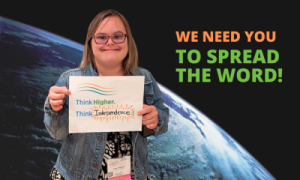
Learn about the campaign and help us spread the message “Think Higher. Think College.” all over the world!

...Read more

Frequently Asked Questions

How do I make an appointment with a state or federal legislator to educate them about higher education for students with intellectual disability?

Start by finding your representative on this official United States government website. When you know who they are, write to them and tell them who you are and what is important to you. Make an appointment to visit them at the state capitol or in their local office. Get on their mailing list and attend events where they will be speaking. Particularly at the state level, your representatives are likely members of your local community and in many states, they have jobs outside of the legislature when the session is over. That means either you know them (a local community leader), you know someone who knows them (you may send your kids to the same school), or you can get to know them pretty easily. Remember: you live in their community. You vote. Tell them why college opportunities for people with intellectual disability are important to you and to your community.

Are there data that show that higher education for students with intellectual disability results in better outcomes for graduates?

Yes! Research consistently shows that students who graduate from a college program have much higher employment rates than individuals with intellectual disability generally, that students report high levels of satisfaction with their social life, and are living independently at relatively high rates. An extensive collection of data-based resources are available on our Research Products page. One impactful awareness and advocacy activity is to offer a platform for graduates to share their stories of personal success. They help the numbers and data come alive.

I believe in inclusive postsecondary education! What are some things I can do as an individual to support its continued growth?

It is important to talk about college options for students with intellectual disability with anyone who will listen! It may not be the choice everyone makes for themselves, but people need to know it is a choice. So by following and liking social media accounts that amplify that message, by sharing information with educators, legislators, community leaders and families, you are making an important impact. Use the resources on the "Think Higher. Think College." website to raise awareness among the people you know!

Are there groups I can get involved with to amplify my voice and make a wider impact?

There are many levels of advocacy and outreach, and you can also get engaged with local and state level efforts, or even start efforts that pull together others with the same passion for inclusive higher education. Think College maintains a webpage that shares what is going on in your state called What’s Happening in Your State that shares a state level contact. If you want to get involved, contact that person! Regional alliances supporting inclusive postsecondary education are growing across the country; that information is on your state page, as well.

Is there someone I can talk to about my interest in awareness and outreach for higher education for students with intellectual disability?

YES! While we provide these resources, web links, and articles on this page to help you find resources you can use, we are happy to talk with you too! Contact thinkcollegeTA@umb.edu to be connected to a Think College staff person who can help you make sense of what is here and share ideas on how to best use the resources.